
From Spreadsheets to ERP: The Signs Your Business Has Outgrown Excel
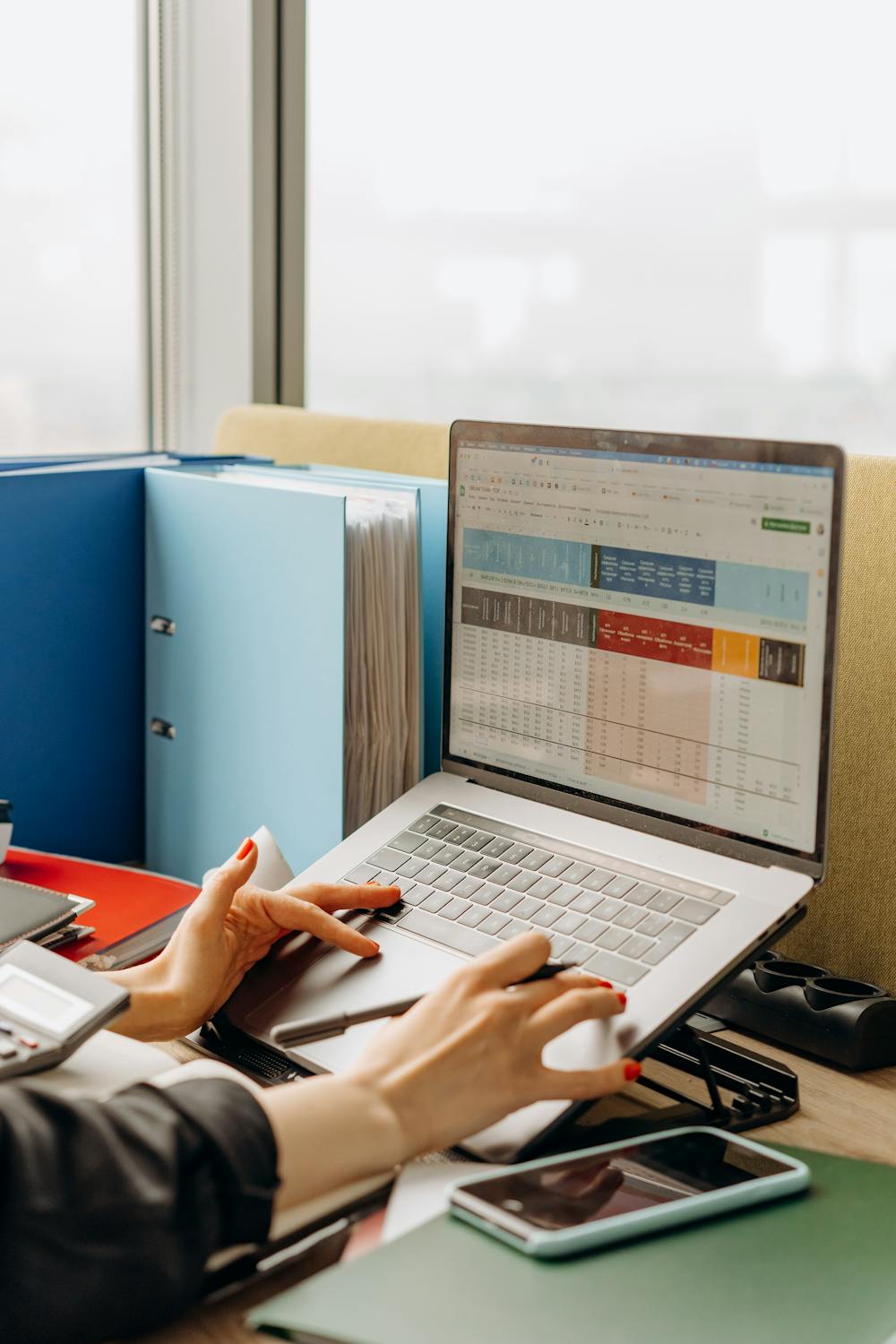
A huge number of businesses in Malta are still run, in large part, on spreadsheets. It’s not a criticism — spreadsheets are flexible, everyone knows how to use them, and in the early days of a business they genuinely do the job. The trouble is what happens later, once the business has grown but the spreadsheets haven’t changed.
The signs are usually the same
It rarely feels like one dramatic moment. It’s smaller things that pile up. There’s no longer just one spreadsheet — there’s a folder full of them, each one covering a different part of the business: one for stock, one for invoicing, one for staff hours, one someone built for a project two years ago that everyone’s still using out of habit. Nobody’s entirely sure which version is the current one, and “final_v3_actually_final.xlsx” has become a running joke rather than a filing system.
Version tracking becomes a real problem too. When a file lives on someone’s laptop, or gets emailed around for edits, there’s no reliable way to know who changed what, or to go back to an earlier version if something gets overwritten by mistake. And because each spreadsheet is its own island, information that should connect — sales figures and stock levels, for instance — has to be manually reconciled, usually by someone who’d rather be doing something else with their afternoon.
None of this means the business is doing anything wrong. It usually just means it’s grown past the point where spreadsheets can keep up, and an ERP system is the natural next step.
Digitalisation is a genuine priority in Malta right now
This isn’t just a private-sector conversation. Malta has been actively pushing business digitalisation, including funding support aimed specifically at helping SMEs move away from manual, spreadsheet-based processes and onto proper digital systems. Schemes like Malta Enterprise’s Digitalise Your SME grant exist precisely for businesses in this position — looking to modernise but needing support to make the investment work.
Eligibility and terms for these schemes change from call to call, so it’s worth checking the current details directly, but the direction is clear: the government sees ERP adoption as a genuine priority for Malta’s SMEs, not a luxury reserved for large companies.
Migrating your data doesn’t have to be the scary part
A common reason businesses put off leaving spreadsheets behind is the fear of losing data, or of a messy, disruptive migration. Done properly, moving from a folder of spreadsheets to a proper ERP system means your existing records — stock levels, customer details, historical invoices — are carried across deliberately, checked, and reconciled, rather than businesses being asked to start from a blank slate. It’s a project, not a leap of faith.
You don’t have to figure out the funding on your own
Moving off spreadsheets is one decision. Navigating the funding landscape to make it more affordable is a separate one, and it’s not always obvious where to start. We help businesses through that process alongside the implementation itself — working out which schemes might apply and what’s needed to access them, so that adopting a modern ERP system like Indana doesn’t have to mean absorbing the full cost alone.
Ready to see what replacing the spreadsheets looks like?
If your business is held together by one too many spreadsheets, schedule a call with our team. We’ll talk through where you are today, and what moving to Indana ERP — funding included — could look like.